


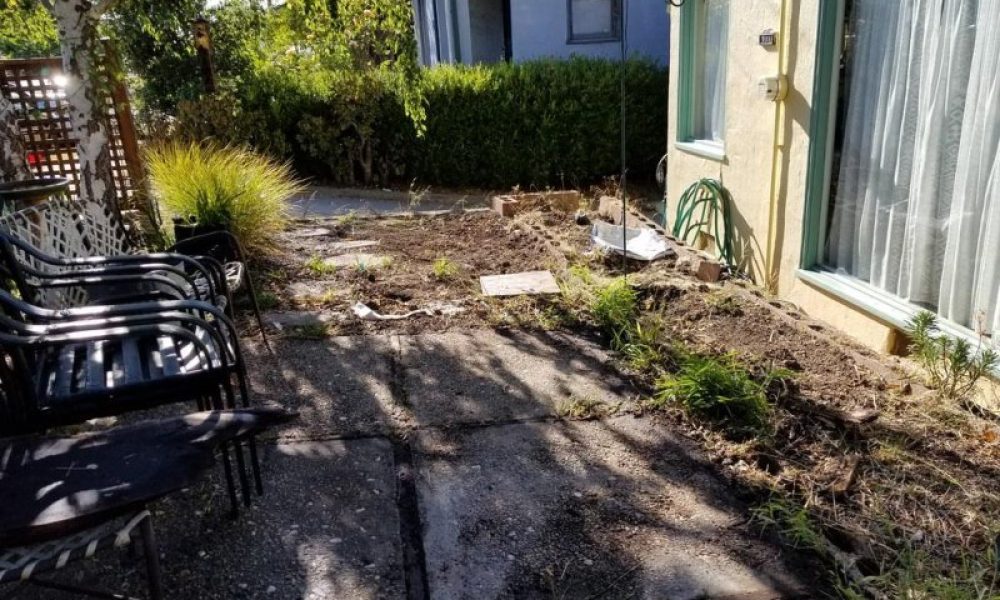
You’ve decided it’s time to remove that old driveway, patio, or concrete slab to make room for a fresh lawn, new hardscape, or better drainage. That’s exciting — and it also comes with a long list of surprises most homeowners don’t expect. At Local Sod and Landscape, serving DeBary, FL and the surrounding areas, we guide property owners through every pitfall so a messy demolition never derails the project.
The Problem: Demolition Looks Simple — but it isn’t
Breaking up concrete feels straightforward: jackhammer, load it, haul it away. In reality, demolition creates safety hazards, regulatory headaches, environmental concerns, and hidden costs. OSHA warns that demolition work involves unique hazards that require specific standards and planning — everything from falling materials to unknown structural conditions.
If you skip the right prep you could expose yourself to silica dust and other contaminants, damage underground utilities, destabilize adjacent structures, or face permit fines and disposal headaches. Local owners in DeBary also need to meet county and city requirements before work begins — permits, asbestos surveys in older structures, and utility disconnects are common prerequisites.
How We Guide You (empathy + authority)
We get it — you just want the job done safely and on budget. That’s why Local Sod and Landscape acts as your experienced guide: empathic to the disruption and rigorous about the details. Our team follows proven standards and best practices (including OSHA guidance), uses modern detection tools to avoid surprises, and manages disposal and recycling so your site is ready for beautiful landscaping.
The 3-step Plan We Follow (simple and clear)
- Assess & permit: We perform a site walkthrough, locate utilities, and check for hazardous materials or permit triggers. For many Florida jobs, that means confirming local demolition requirements and any required surveys or paperwork. Getting permits and utility clearances up front prevents delays and fines.
- Controlled demolition: We pick the correct method for the job — sawing, pneumatic breaking, or slab lifting — and use dust suppression, noise management, and shoring where needed. We also scan for hidden rebar and embedded objects so equipment and crews aren’t damaged or endangered.
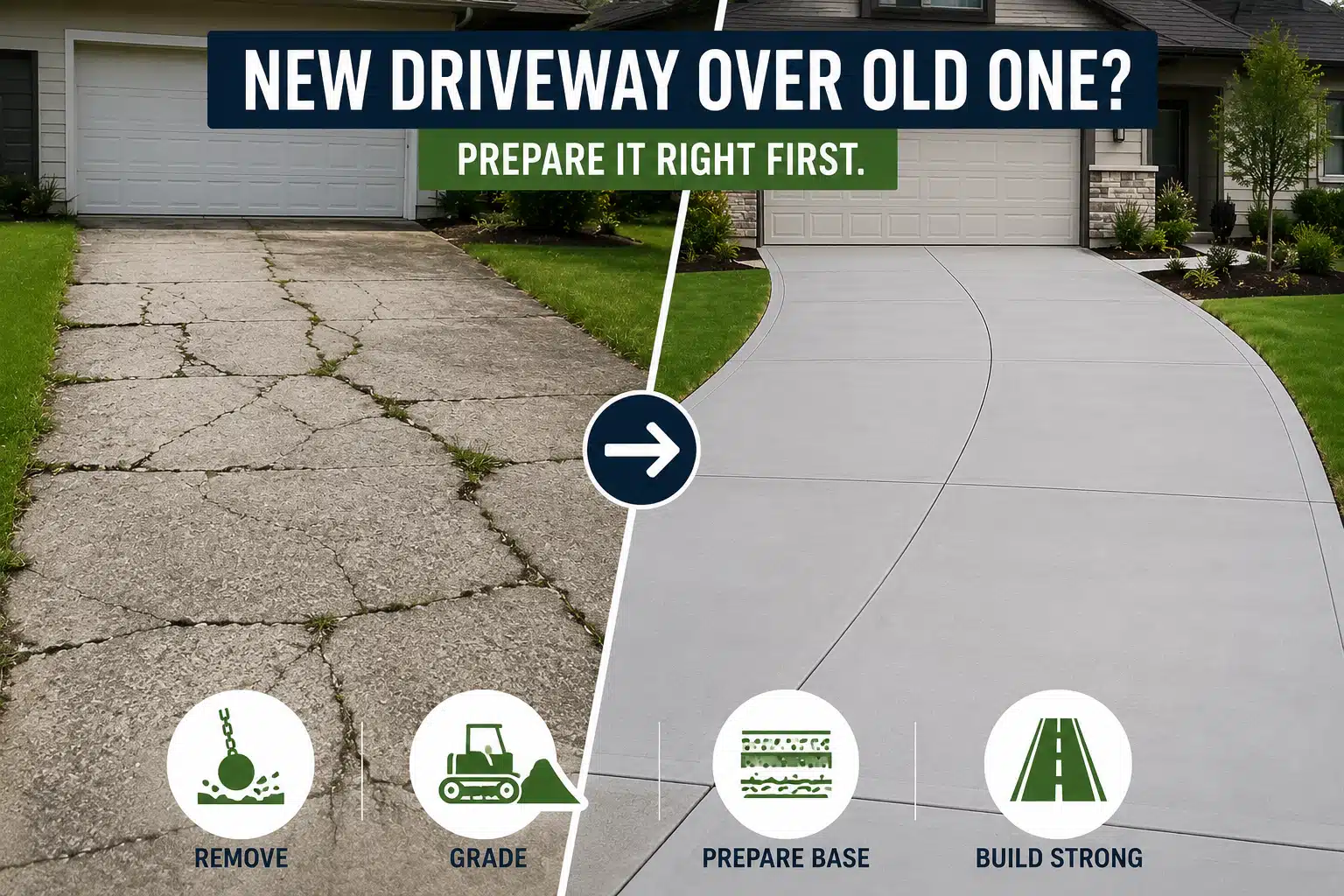
- Haul, recycle, and prepare site: Concrete can often be crushed and reused as subbase or fill; recycling saves money and the environment. We remove debris responsibly, confirm final grading, and prepare a clean surface ready for sod, planting or new pavement.
Common Challenges — and Our Practical Fixes
1. Hidden reinforcement and embedded debris
Problem: Rebar, anchors, buried pipes, or old construction remnants stop progress and damage machines.
Fix: We use visual inspection and, when needed, ground-penetrating scanning and careful saw-cutting to expose and remove embedded items with minimal disruption. This lowers equipment risk and keeps the schedule predictable.
2. Silica dust, asbestos, and other health risks
Problem: Breaking concrete creates respirable crystalline silica; older sites may contain asbestos or lead-based paint. Exposure can harm workers and neighbors.
Fix: We control dust with wet cutting, dust-collection attachments, and containment. If hazardous materials are suspected, we stop and perform a professional survey and abatement per regulations before continuing. OSHA and industry guidance emphasize these controls to protect health.
3. Structural and vibration concerns
Problem: Heavy breaking near buildings or trees can cause vibration damage or destabilize foundations.
Fix: We design demolition sequences and use shoring or temporary supports when adjacent structures might be affected. For delicate situations we employ smaller, precision equipment and staged removal to minimize vibration. Guidance on shoring and stabilization helps ensure safety where structures are involved.
4. Permits, utilities, and disposal rules
Problem: Missing a permit, not disconnecting utilities, or dumping debris improperly leads to fines and delays.
Fix: We check local permit rules (DeBary/Volusia County), secure required permits, verify utility disconnects, and manage disposal — including recycling concrete where feasible to reduce cost and waste.
Avoiding Failure — and Visualizing Success
If demolition isn’t handled correctly, you face cost overruns, project delays, safety incidents, and even code enforcement. Imagine instead a cleared, graded site delivered on schedule, with recycled materials responsibly handled, ready for sod, shrubs, or your new patio — that’s the Local Sod and Landscape result. We remove the risk so you can move forward with confidence.