


If you own a gravel driveway, you know the struggle. Every car that drives over it kicks up a cloud of dust that lingers in the air and coats everything nearby—your car, your porch, even the inside of your home. It’s frustrating, and it can make your property feel less inviting. You don’t want guests coughing when they step out of the car, and you don’t want your investment in landscaping ruined by layers of dust.
At Local Sod and Landscape, we understand how disruptive a dusty driveway can be. The good news? There are proven ways to reduce dust and keep your gravel driveway looking and functioning its best. Let’s break down why dust forms, and the steps you can take to control it for good.
Why Gravel Driveways Get Dusty
Gravel driveways are durable and affordable, but they’re prone to dust for a simple reason: tiny, loose particles. Over time, vehicles break down gravel into finer pieces. Add in dry weather and wind, and those fine particles easily become airborne.
A few common causes include:
- Traffic wear – The more cars travel on the surface, the more gravel breaks down.
- Lack of binding material – Without enough stone dust or fines to hold the gravel together, loose particles float away.
- Dry conditions – Rain naturally suppresses dust. Extended dry spells make it worse.
- Poor drainage – Standing water can wash away binding particles, leaving dusty sections behind.
Understanding the cause makes it easier to choose the right solution.
Practical Tips for Controlling Dust
1. Add Fresh Gravel and Fines
One of the simplest fixes is topping off your driveway with new gravel mixed with fines (crushed stone dust). The larger stones create structure, while the smaller particles help bind everything together. When compacted, this creates a firmer surface that resists dust.
Think of it like patching thin spots in your lawn—you’re replenishing what’s been lost to keep everything strong and healthy.
2. Use Dust Control Treatments
There are several effective treatments designed to keep dust down:
- Calcium Chloride or Magnesium Chloride
These products draw moisture from the air, helping gravel hold together instead of breaking apart. They’re applied directly to the surface and can reduce dust for months at a time. - Lignin Sulfonate
A natural, wood-based binding agent that “glues” particles together. It’s eco-friendly and often used on rural roads. - Commercial Dust Suppressants
There are blends available specifically for driveways that combine moisture retention and binding properties.
These treatments are especially useful in high-traffic driveways where dust control is a constant battle.
3. Improve Drainage
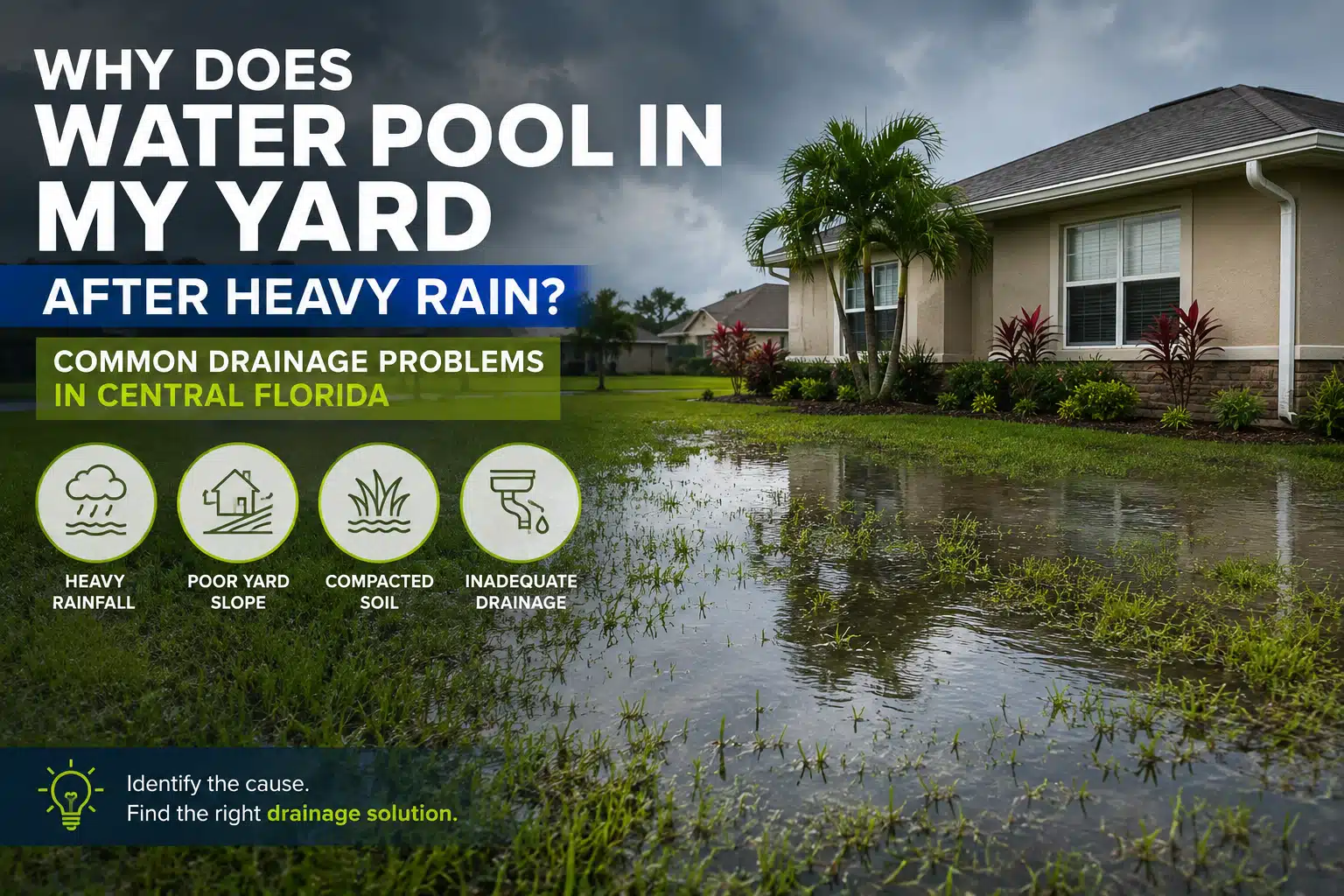
Dust doesn’t just come from dry conditions—it can also form when water washes away fines, leaving only loose stones. Making sure your driveway has a proper crown (a slight slope from the center outward) helps water run off instead of pooling. Adding ditches or drains where necessary will also extend the life of your gravel and reduce dust problems.
4. Compact the Gravel
A loose driveway is a dusty driveway. After adding new gravel or dust suppressants, compact the surface with a roller or heavy vehicle traffic. Compaction locks the gravel together, making it less likely to break down into dust.
This step is often overlooked, but it’s one of the most important parts of long-term dust control.
5. Keep Up with Regular Maintenance
Just like a lawn needs mowing, a gravel driveway needs care. Simple maintenance makes a big difference:
- Rake out ruts and potholes before they get worse.
- Add gravel in thin spots.
- Reapply dust control treatments annually or as needed.
Staying ahead of issues will save you from bigger (and dustier) problems down the road.
Why Controlling Dust Matters
It’s not just about appearance—dust can cause real issues. According to Angi, controlling gravel dust matters because:
- Health concerns – Breathing in dust particles can aggravate allergies or asthma.
- Property damage – Dust can clog air filters, coat cars, and make outdoor furniture unappealing.
- Erosion – A dusty driveway is usually a thinning driveway, which means you’ll need more frequent repairs.
- Curb appeal – A clean, well-kept driveway sets the tone for your entire property.
You deserve to enjoy your home without the constant frustration of dust clouds.
A Partner Who Can Help
Tackling driveway dust doesn’t have to be overwhelming. At Local Sod and Landscape, we help homeowners like you maintain beautiful, functional outdoor spaces. From adding fresh gravel to applying eco-friendly dust control treatments, we bring the right solutions so you can stop stressing about dust and start enjoying your property again.
When you work with us, you’ll:
- Get expert advice on the best dust-control methods for your driveway.
- Save time by letting professionals handle heavy lifting and application.
- Protect your investment in landscaping and outdoor living spaces.
Take the First Step Toward a Cleaner Driveway
A dusty gravel driveway isn’t something you just have to “live with.” With the right mix of maintenance and treatment, you can dramatically reduce dust and enjoy a cleaner, healthier property.
Here’s how to get started:
- Assess your driveway – Look for ruts, bare spots, or areas that produce the most dust.
- Choose your approach – Whether it’s adding gravel, applying a suppressant, or improving drainage, pick the solution that fits your needs.
- Call in the experts – Local Sod and Landscape is here to help you implement long-lasting dust control.
Your home should be a place of comfort—not frustration. Let’s take the dust out of your driveway so you can focus on enjoying your space.