


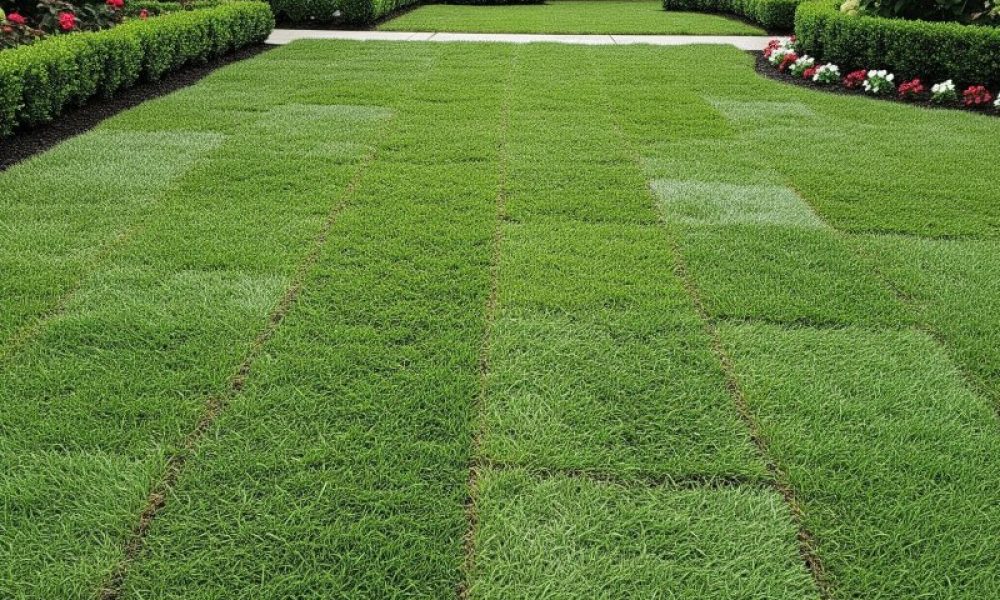
Laying sod is one of the fastest ways to transform your yard from patchy and bare to lush and green. But even though sod gives instant curb appeal, what you see above ground is just the beginning. Underneath, a whole lot of important work is happening — the sod is developing roots that will anchor it firmly into your soil.
At Local Sod and Landscape, we know that proper root growth is what turns new sod into a healthy, long-lasting lawn. Let’s break down the rooting timeline, how to care for your sod during each stage, and what you can do to help it thrive.
The Sod Rooting Timeline
Sod rooting occurs in two main stages: shallow roots and deep roots. While the exact timing can vary depending on grass type, weather, and care, here’s a general guide:
Stage 1: Shallow Root Growth (Days 1–14)
Right after installation, sod is relying on moisture from the soil underneath and nutrients stored in its blades. During the first couple of weeks, the sod will begin sending out shallow roots that help it anchor itself to the soil surface.
- What to Expect: The sod may still lift easily if you gently tug on it. You might also see seams between the rolls.
- Care Tip: Keep the sod consistently moist — usually watering 2–4 times a day for short periods to prevent it from drying out. Avoid heavy foot traffic during this time.
Stage 2: Deep Root Growth (Weeks 3–6)
Once shallow roots are established, the sod shifts focus to sending roots deeper into the soil. This is the phase where it becomes truly anchored.
- What to Expect: By week 4, sod should resist lifting when pulled, and seams will begin to disappear.
- Care Tip: Begin reducing watering frequency while increasing duration. This encourages roots to grow deeper in search of water.
Factors That Affect Rooting Time
Not all sod takes root at the same speed. According to our friends at Erosion Management Services, the key factors that influence this timeline include:
- Grass Type – Cool-season grasses like fescue and bluegrass often root faster in spring or fall, while warm-season grasses like Bermuda and Zoysia thrive in summer warmth.
- Soil Preparation – Loose, nutrient-rich soil promotes faster root growth. Compacted or poor-quality soil can delay rooting.
- Weather Conditions – Moderate temperatures with consistent moisture help sod root faster. Extreme heat or drought can slow the process.
- Installation Quality – Properly laid sod with tight seams and full soil contact will root more quickly than sod installed with gaps or air pockets.
Watering Tips for Healthy Sod Roots
Watering is the single most important step in helping sod root successfully. The right watering schedule depends on the stage of growth:
- Weeks 1–2: Water 2–4 times a day for 5–10 minutes each time to keep the sod moist at all times.
- Weeks 3–4: Water once or twice daily for 10–15 minutes, allowing the top inch of soil to dry slightly between waterings.
- Weeks 5+: Transition to deeper, less frequent watering — 2–3 times a week — to encourage deep root development.
Pro Tip: Early morning is the best time to water. It reduces evaporation and gives the grass time to dry during the day, helping prevent disease.
Mowing Your New Sod
Mowing too soon can damage young roots, but waiting too long can stress the sod.
- First Mow: Once the sod reaches about 3–4 inches tall and roots have begun to anchor (usually after 2–3 weeks), it’s safe to mow.
- Mowing Tips: Use a sharp mower blade and never cut more than one-third of the grass height at a time. Keep mower wheels high to avoid scalping.
Fertilizing for Strong Roots
Fertilizer gives new sod the nutrients it needs to establish quickly.
- First Application: Apply a starter fertilizer at installation or within the first week.
- Follow-Up: Apply a balanced fertilizer about 4–6 weeks after installation to support deep root growth and long-term health.
Signs Your Sod Is Rooting Well
You’ll know your sod is on track if you notice:
- Resistance when gently tugging at the edges
- New blade growth and a deepening green color
- Disappearing seams between sod rolls
If the sod still lifts easily after three weeks, check your watering routine, soil conditions, and look for pests or disease.
Mistakes That Can Delay Rooting
Even with the best intentions, some common mistakes can slow root development. According to our friends at Ground Source, these mistakes include:
- Overwatering: Can cause shallow roots and promote disease.
- Underwatering: Can cause sod to dry out and die before rooting.
- Heavy Foot Traffic: Can shift or damage sod before roots are anchored.
- Skipping Soil Prep: Laying sod on compacted or nutrient-poor soil will slow rooting.
Patience Pays Off
A beautiful sod lawn doesn’t just happen the day you install it — it’s the result of a few weeks of careful watering, minimal traffic, and the right care. With proper attention, most sod will be fully rooted and ready for regular use within 6 weeks.
At Local Sod and Landscape, we specialize in expert sod installation and provide you with a care plan to make sure your investment thrives. From choosing the right grass type to prepping the soil and guiding you through watering schedules, we’re here to help you enjoy a lush, healthy lawn as quickly as possible.
Bottom Line:
- Shallow roots form in the first 1–2 weeks.
- Deep roots develop over the next 3–4 weeks.
- Proper watering, mowing, and patience are key.
With the right care, your sod will not only root quickly but grow into the kind of lawn that’s the envy of the neighborhood.