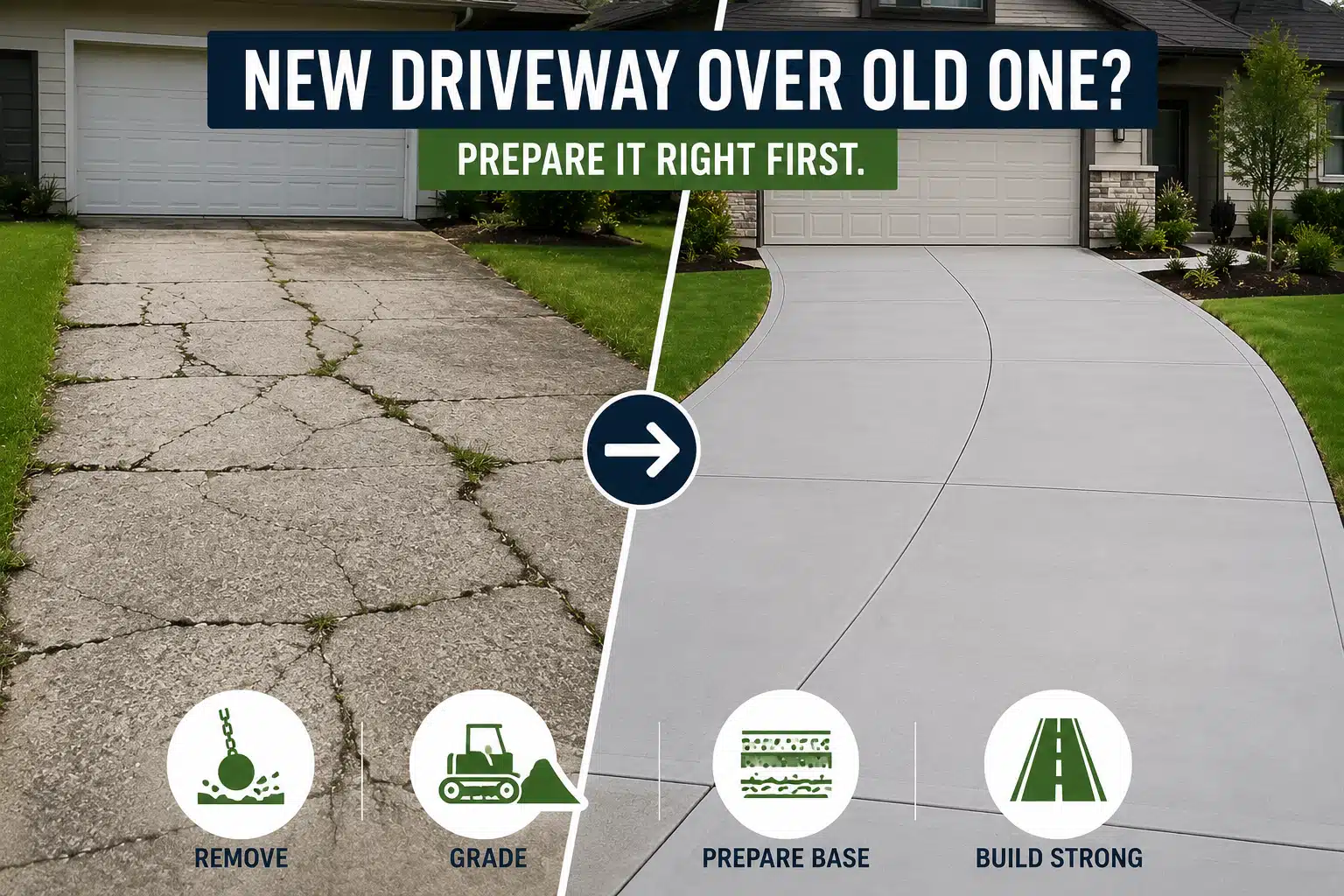




Concrete demolition and disposal are integral parts of many construction and renovation projects. While these tasks are essential, they can also pose significant safety risks if not handled correctly. This guide will cover best practices for concrete demolition and disposal to ensure safety and efficiency, protecting both workers and the environment.
Understanding Concrete Demolition
Concrete demolition involves breaking down concrete structures such as walls, floors, and foundations. This process can be complex and hazardous, requiring proper planning, tools, and techniques. Our fellow concrete demolition friends at A-Cor Concrete Specialists have provided severtal methods for successful concrete demolition.
Common Methods of Concrete Demolition
- Manual Demolition: Uses hand tools like sledgehammers, crowbars, and jackhammers. Suitable for small-scale projects.
- Mechanical Demolition: Involves heavy machinery like excavators with hydraulic breakers or concrete crushers. Ideal for large-scale projects.
- Explosive Demolition: Uses controlled explosions to demolish concrete structures quickly. This method requires expert handling and is used in specific scenarios.
- Chemical Demolition: Utilizes expansive agents that cause concrete to crack and break apart. Suitable for precise and controlled demolition tasks.
Safety First: Best Practices for Concrete Demolition
1. Pre-Demolition Planning
Effective planning is crucial for a safe demolition process:
- Site Assessment: Conduct a thorough site assessment to identify potential hazards such as unstable structures, utility lines, and hazardous materials.
- Permits and Regulations: Ensure all necessary permits are obtained and comply with local regulations regarding demolition activities.
- Hazard Identification: Identify all potential hazards, including electrical lines, gas pipes, and asbestos. Plan how to mitigate these risks.
2. Safety Gear and Equipment
Proper safety gear is essential to protect workers from injuries:
- Personal Protective Equipment (PPE): Ensure all workers wear appropriate PPE, including hard hats, safety goggles, gloves, steel-toed boots, and high-visibility vests.
- Respiratory Protection: Use masks or respirators to protect against dust and airborne particles.
- Hearing Protection: Use earplugs or earmuffs to protect against noise from demolition equipment.
3. Training and Certification
Ensure all workers are trained and certified in demolition practices:
- Operator Training: Machine operators should be trained and certified to handle specific demolition equipment.
- Safety Training: Provide comprehensive safety training covering hazard recognition, emergency procedures, and the proper use of PPE.
4. Using the Right Tools and Equipment
Choose the appropriate tools and equipment for the job:
- Hand Tools: Use hand tools for small-scale or precise demolition tasks.
- Heavy Machinery: Employ heavy machinery for large-scale demolition, ensuring operators are trained and equipment is well-maintained.
- Chemical Agents: Use chemical agents carefully, following manufacturer instructions and safety guidelines.
5. Dust and Debris Control
Control dust and debris to protect workers and the environment:
- Water Sprays: Use water sprays to suppress dust during demolition.
- Containment Barriers: Set up containment barriers to prevent debris from spreading and to protect surrounding areas.
- Regular Cleaning: Keep the work area clean by regularly removing debris and dust.
6. Handling Hazardous Materials
Identify and safely handle hazardous materials:
- Asbestos: If asbestos is present, follow strict regulations for its removal and disposal. Use specialized contractors if necessary.
- Lead Paint: Handle lead paint with care, using appropriate protective measures and following disposal regulations.
- Utility Lines: Identify and mark all utility lines. Coordinate with utility companies to shut off services as needed.
7. Emergency Preparedness
Be prepared for emergencies:
- First Aid Kits: Ensure first aid kits are readily available on-site.
- Emergency Plans: Develop and communicate emergency plans, including evacuation routes and emergency contact numbers.
- Fire Extinguishers: Keep fire extinguishers accessible and ensure workers know how to use them.
Best Practices for Concrete Disposal
Proper disposal of demolished concrete is essential for environmental protection and regulatory compliance.
1. Segregation and Sorting
Segregate and sort materials for proper disposal and recycling:
- Metal: Separate metal rebar and other metal components from the concrete.
- Hazardous Waste: Identify and segregate any hazardous materials for specialized disposal.
2. Recycling Concrete
Recycling concrete is an environmentally friendly disposal method:
- Crushing: Concrete can be crushed into aggregate for reuse in new construction projects.
- Concrete Recycling Facilities: Take demolished concrete to recycling facilities where it can be processed and reused.
3. Proper Disposal Sites
Dispose of concrete at designated disposal sites:
- Landfills: Use authorized landfills for concrete disposal if recycling is not an option.
- Regulatory Compliance: Ensure disposal sites comply with local regulations and environmental standards.
4. Documentation and Records
Keep thorough documentation of the disposal process:
- Waste Manifests: Use waste manifests to track the disposal of concrete and other materials.
- Regulatory Records: Maintain records to demonstrate compliance with disposal regulations and environmental standards.
5. Environmental Considerations
Minimize the environmental impact of concrete disposal:
- Transportation: Use fuel-efficient vehicles and plan efficient routes to reduce emissions during transportation.
- Minimize Waste: Aim to recycle as much material as possible to minimize the amount of waste sent to landfills.
Conclusion
Concrete demolition and disposal are complex processes that require careful planning, the right tools, and adherence to safety and environmental regulations. By following best practices, including thorough planning, using appropriate safety gear, ensuring proper training, controlling dust and debris, handling hazardous materials correctly, and disposing of concrete responsibly, you can ensure a safe and efficient demolition process. Prioritizing safety not only protects workers but also contributes to the successful completion of your project and the preservation of the environment.