


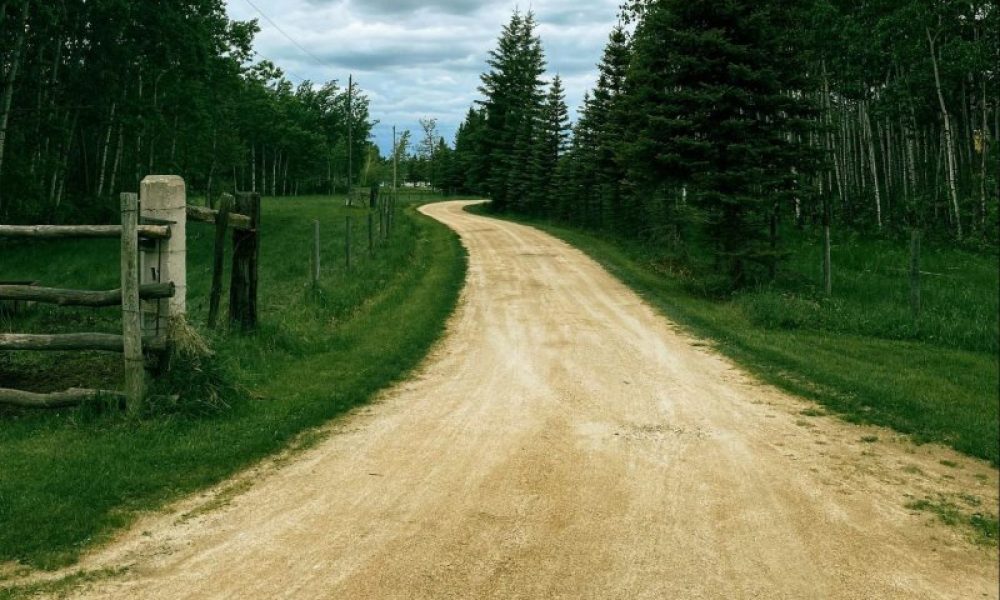
When it comes to enhancing your property’s curb appeal and functionality, few improvements are as impactful as a well-constructed gravel driveway. Unlike traditional concrete or asphalt driveways, gravel driveways offer a unique aesthetic, are cost-effective, and can be tailored to fit various styles and landscapes. However, the success of a gravel driveway largely depends on professional installation. Here’s what you can expect from professional gravel driveway installation services.
Initial Consultation and Site Assessment
The process typically begins with an initial consultation, where a professional contractor meets with you to discuss your needs, preferences, and budget. During this stage, they will assess your property to determine the best approach for your driveway. This may include evaluating the slope, drainage, and existing vegetation.
The contractor will also consider factors like the size and shape of the driveway, the type of gravel you prefer, and any additional features you might want, such as edging or landscaping. This comprehensive assessment ensures that the installation will meet your aesthetic desires while adhering to practical considerations.
Design and Material Selection
After the assessment, the contractor will help you design the driveway. This includes deciding on the driveway’s width, length, and layout, which can vary significantly based on your property. They will also guide you through material selection.
There are many types of gravel available, each with distinct characteristics and price points. Common options include:
- Crushed Stone: Known for its durability, crushed stone is a popular choice for driveways. It provides good drainage and can withstand heavy loads.
- Pea Gravel: This option is aesthetically pleasing with its small, rounded stones. It is softer underfoot and great for walking paths but may not be as suitable for driveways that see a lot of traffic due to its tendency to shift.
- River Rock: Larger and more decorative, river rocks offer a unique look. However, they can be more challenging to drive on compared to finer materials.
The right choice of gravel affects not only the appearance of your driveway but also its longevity and maintenance requirements.
Preparing the Site
The next phase is site preparation once the design and materials are finalized. This step is crucial as it lays the groundwork for a stable, long-lasting driveway.
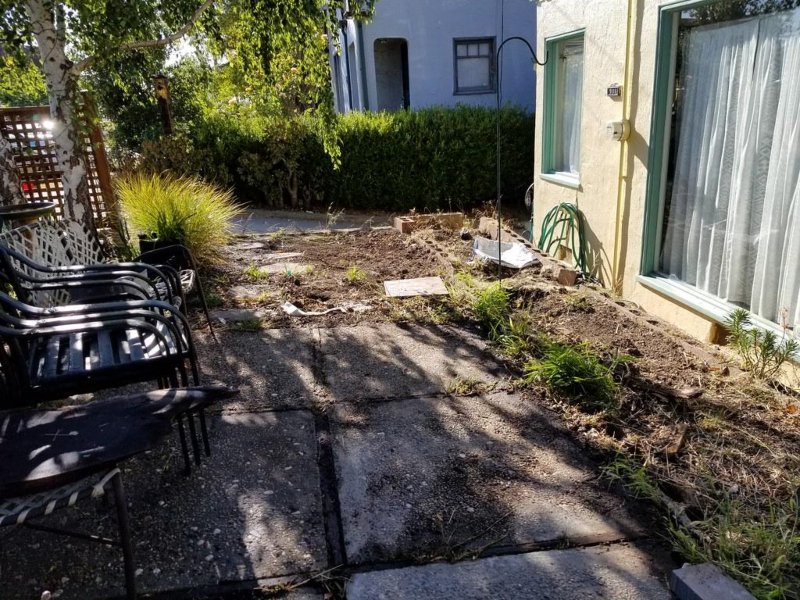
The contractor will begin by clearing the designated area of any vegetation, rocks, or debris. They may also need to excavate the soil to create a suitable base, particularly if the existing ground is too soft or unstable. Proper grading is essential to ensure adequate drainage, preventing water from pooling on the driveway, which can lead to erosion and other issues.
Installation Process
According to our friends at T&D Outdoor Services, the installation involves several key steps:
- Base Layer Installation: A robust base layer is critical for the durability of a gravel driveway. Contractors often use crushed stone or gravel to create a solid foundation that distributes weight and prevents sinking.
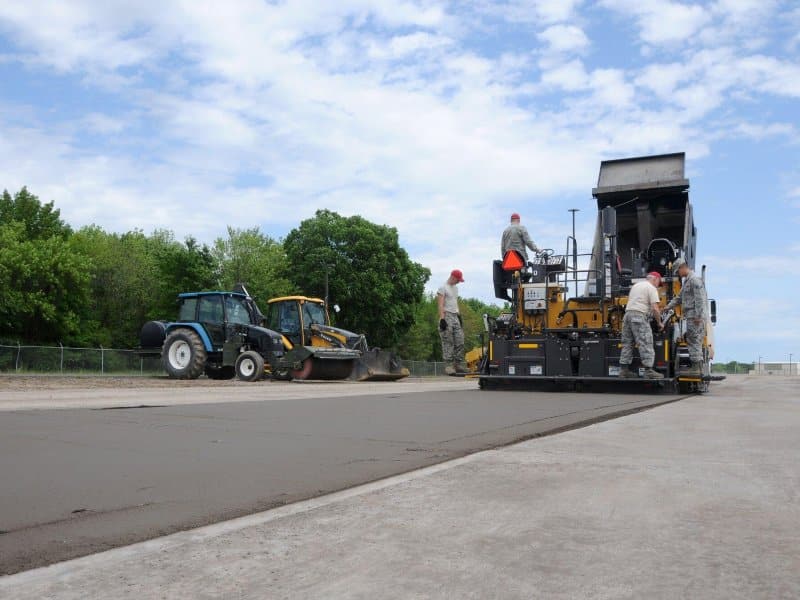
- Gravel Layering: Once the base is in place, the selected gravel is spread evenly over the surface. The contractor will use heavy machinery to ensure the gravel is compacted appropriately, creating a solid surface that can withstand the weight of vehicles.
- Edging and Finishing Touches: To enhance the aesthetic and structural integrity of the driveway, edging may be installed. This could be made from wood, metal, or stone, helping to keep the gravel in place and prevent it from spilling onto adjacent areas.
- Compaction and Leveling: After the gravel is spread, the contractor will use a roller or plate compactor to ensure everything is level and tightly packed. This step is vital to avoid shifting and settling in the future.
Final Inspection and Maintenance Tips
After the installation, the contractor will conduct a final inspection to ensure everything meets your expectations. They should walk you through the completed driveway, pointing out features and discussing any necessary maintenance.
Ongoing Maintenance
While gravel driveways are relatively low-maintenance, they do require some upkeep to ensure longevity. Here are a few maintenance tips you can expect from your contractor:
- Regular Raking: To keep the surface even and prevent potholes, it’s essential to rake the gravel periodically, redistributing it as necessary.
- Weed Control: Weeds can grow through the gravel, so occasional weeding or the use of landscape fabric underneath the gravel can help manage this issue.
- Resurfacing: Over time, the gravel may become compacted or displaced. Professionals may recommend adding fresh gravel every few years to maintain the driveway’s appearance and functionality.
Conclusion
Investing in professional gravel driveway installation services can significantly enhance the aesthetic appeal and functionality of your property. By working with experts who guide you through every step—from design and material selection to installation and maintenance—you ensure that your driveway is not only beautiful but also built to last. Whether you’re looking to improve your home’s curb appeal, increase property value, or simply provide a functional access point, a professionally installed gravel driveway is an excellent choice.