


Creating and maintaining a thriving garden bed begins with the foundation of healthy soil. The right fill delivery ensures that your garden beds have the proper nutrients, structure, and drainage to support plant growth. In this comprehensive guide, we will explore the importance of quality soil, the types of fill suitable for garden beds, and how to ensure a successful fill delivery process that promotes healthy plant development.
The Importance of Healthy Soil
Healthy soil is the cornerstone of a productive garden. It provides plants with essential nutrients, supports root growth, and aids in water retention and drainage. Here are some of the key reasons why healthy soil is crucial:
- Nutrient Supply: Soil supplies essential nutrients like nitrogen, phosphorus, and potassium, which are vital for plant growth and development.
- Root Support: Healthy soil provides a stable environment for roots to anchor and access water and nutrients.
- Water Management: Well-structured soil retains moisture while allowing excess water to drain, preventing root rot and other water-related issues.
- Microbial Activity: Healthy soil hosts beneficial microorganisms that help decompose organic matter, release nutrients, and protect plants from pathogens.
Types of Fill for Garden Beds
Selecting the right type of fill for your garden beds depends on various factors, including the existing soil condition, the types of plants you intend to grow, and the specific requirements of your garden. With the help of our friends at Gardenary, here are some common types of fill suitable for garden beds:
1. Topsoil
Topsoil is the uppermost layer of soil, typically rich in organic matter and nutrients. It is an excellent choice for garden beds because it provides a fertile base for plants. When selecting topsoil, look for:
- High Organic Content: Ensures good nutrient availability and microbial activity.
- Good Texture: Loamy texture with a balance of sand, silt, and clay for optimal drainage and root growth.
- Minimal Contaminants: Free from weeds, pesticides, and other contaminants.
2. Compost
Compost is decomposed organic matter that enriches the soil with nutrients and improves its structure. It can be mixed with topsoil or used as a top dressing for garden beds. Benefits of using compost include:
- Nutrient-Rich: Provides a slow-release source of nutrients for plants.
- Soil Structure Improvement: Enhances soil texture, promoting better root growth and water retention.
- Microbial Activity Boost: Supports a healthy population of beneficial microorganisms.
3. Garden Soil Mix
Garden soil mix is a blend of topsoil, compost, and other organic materials specifically formulated for gardening. This type of fill is ideal for raised garden beds and container gardens. Features of a good garden soil mix include:
- Balanced Nutrients: Provides a well-rounded nutrient profile for a variety of plants.
- Improved Drainage: Includes materials like perlite or vermiculite to enhance soil aeration and drainage.
- Customized Blends: Can be tailored to specific plant needs, such as acid-loving plants or vegetable gardens.
4. Soil Amendments
Soil amendments are materials added to soil to improve its properties. Common amendments include:
- Peat Moss: Increases soil acidity and improves water retention.
- Perlite/Vermiculite: Enhances soil aeration and drainage.
- Lime: Raises soil pH, making it less acidic.
Ensuring Successful Fill Delivery
Once you’ve selected the appropriate type of fill for your garden beds, ensuring a successful delivery and integration process is crucial. Here are steps to help you achieve this:
1. Calculate the Required Amount
Accurately calculate the amount of fill you need for your garden beds. This depends on the size and depth of your beds. Use the following formula to estimate the volume of soil required:
Volume (cubic feet)=Length (feet)×Width (feet)×Depth (feet)\text{Volume (cubic feet)} = \text{Length (feet)} \times \text{Width (feet)} \times \text{Depth (feet)}Volume (cubic feet)=Length (feet)×Width (feet)×Depth (feet)
Convert cubic feet to cubic yards (since the soil is often sold by the cubic yard) by dividing the total cubic feet by 27.
2. Choose a Reliable Supplier
Select a reputable supplier who offers high-quality soil and fill materials. Consider suppliers who:
- Provide Soil Testing: Offer soil testing services to ensure the fill meets your garden’s requirements.
- Have Good Reviews: Check customer reviews and testimonials for reliability and product quality.
- Offer Delivery Services: Ensure they can deliver the fill to your location on the desired schedule.
3. Prepare the Site
Before the fill delivery, prepare your garden bed site:
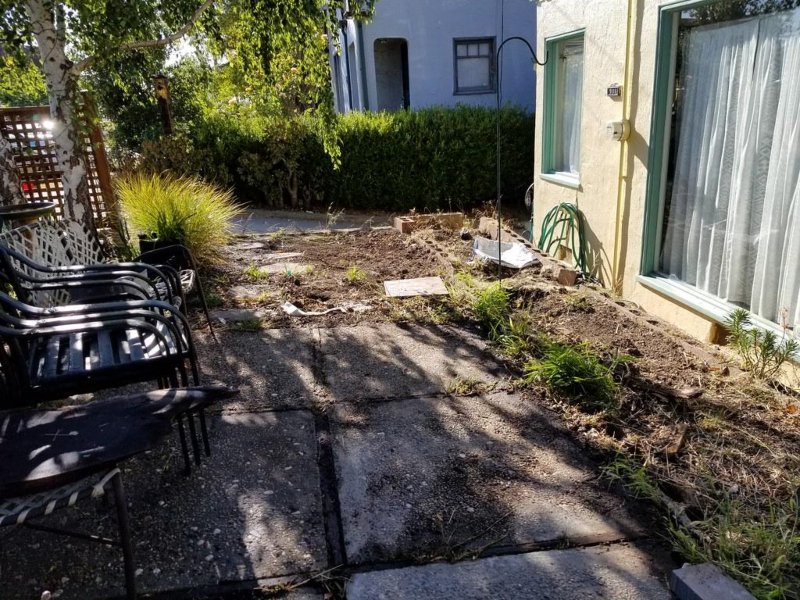
- Remove Weeds and Debris: Clear the area of any weeds, rocks, or debris that could interfere with soil preparation.
- Install Edging: If necessary, install garden bed edging to contain the soil and create a defined planting area.
- Loosen Existing Soil: Loosen the existing soil with a garden fork or tiller to promote better integration with the new fill.
4. Receive and Inspect the Fill
When the fill is delivered, inspect it for quality:
- Check for Consistency: Ensure the fill is free from clumps, debris, and contaminants.
- Verify Quantity: Confirm that the delivered amount matches your order.
5. Spread and Integrate the Fill
Distribute the fill evenly across your garden beds and integrate it with the existing soil:
- Layering: Spread the fill-in layers, mixing each layer with the existing soil to ensure an even distribution of nutrients and improved soil structure.
- Leveling: Use a rake to level the soil surface, creating a smooth and even bed for planting.
- Watering: Lightly water the soil to help settle it and eliminate air pockets.
6. Planting and Mulching
Once the fill is integrated and the bed is prepared, you can proceed with planting:
- Planting: Follow the planting guidelines for your chosen plants, considering spacing, depth, and specific soil requirements.
- Mulching: Apply a layer of mulch to help retain moisture, regulate soil temperature, and suppress weeds.
Maintaining Healthy Soil
After the initial fill delivery and planting, maintaining healthy soil is an ongoing process. Here are some tips to keep your garden beds in top condition:
1. Regular Soil Testing
Conduct regular soil tests to monitor nutrient levels and pH. This helps you adjust fertilization and soil amendments to meet your plants’ needs.
2. Amend Soil Annually
Add compost or other organic matter to your garden beds annually to replenish nutrients and improve soil structure.
3. Mulch Refreshment
Refresh mulch layers as needed to maintain moisture retention, temperature regulation, and weed suppression.
4. Proper Watering
Water your garden beds appropriately, avoiding overwatering or underwatering. Proper irrigation practices help maintain soil health and prevent issues like root rot.
5. Crop Rotation
Practice crop rotation in vegetable gardens to prevent soil depletion and reduce the risk of pests and diseases.
Conclusion
Ensuring healthy soil for your garden beds through proper fill delivery is fundamental to successful gardening. By selecting the right type of fill, preparing the site, and maintaining the soil, you create an optimal environment for plant growth. Healthy soil supports robust root development, efficient water management, and a thriving ecosystem of beneficial microorganisms. With careful planning and regular maintenance, your garden beds will provide a productive and beautiful space for your plants to flourish.