


At Local Sod and Landscape, we’re passionate about transforming outdoor spaces across Central Florida. But beyond lush lawns and vibrant landscapes, we’re equally committed to sustainable practices that protect our environment. One way we achieve this is through the responsible use of asphalt milling and recycling—a powerful, eco-friendly approach to pavement management that benefits both your property and our planet.
The Problem: Traditional Asphalt Waste Harms the Environment
Every year across the United States, millions of tons of asphalt pavement are removed, replaced, and sent to landfills. Without recycling, this material would occupy vast landfill space, contribute to greenhouse gas emissions, and increase the need for virgin resources, such as gravel, sand, and petroleum-based binders. Traditional asphalt production also consumes high amounts of energy due to the heating required to make new mix—oftentimes up to 350°F or higher—making it an energy-intensive process.
In Florida’s booming development landscape, this “status quo” approach is no longer acceptable. It’s expensive, wasteful, and environmentally damaging.
The Guide: Local Sod and Landscape Leads with Sustainable Pavement Practices
You want a landscape that looks beautiful and a community that stays healthy. Local Sod and Landscape understands this deeply. We believe in responsible solutions that deliver results. That’s why we prioritize asphalt milling and recycling—a method that preserves natural resources and reduces ecological impact, while delivering durable, long-lasting pavement for driveways, parking lots, and access roads.
The Plan: Why Asphalt Milling + Recycling Matters
Let’s walk through the environmental benefits of asphalt milling and recycling—and how they align with a greener, more sustainable Central Florida.
1. Keeps Waste Out of Landfills
When old asphalt is milled off a surface, it doesn’t have to sit in a landfill. Instead, the material is reclaimed and reused. In fact, over 90% of milled asphalt gets recycled rather than thrown away.
That’s millions of tons of material diverted from landfill each year—freeing up space and reducing environmental harm. For local municipalities in Central Florida, this means less pressure on waste management systems and a lower footprint for construction projects.
2. Conserves Natural Resources
Every ton of reclaimed asphalt contains valuable aggregate (stone, gravel, sand) and bitumen (the sticky binder derived from petroleum). By recycling these materials, we reduce demand for new raw materials, preserving non-renewable natural resources, and minimizing the environmental impact of mining and quarrying.
For example, recycling existing asphalt significantly reduces the need for extracting new stone and bitumen—activities that disrupt ecosystems, create dust and runoff, and use significant water and energy.
3. Reduces Greenhouse Gas Emissions
Producing new asphalt from scratch is energy-intensive. It requires heating raw materials to high temperatures, then transporting them long distances. By contrast:
- Recycled asphalt mixes often require less energy to produce, sometimes at temperatures up to 20-40% lower than traditional hot mix.
- Incorporating reclaimed asphalt into new pavement reduces carbon emissions compared to virgin materials, lowering the overall environmental impact.
What does this mean for Central Florida? Less fuel burned, fewer carbon emissions, and healthier air quality for our communities.
4. Promotes a Circular Economy
Circular economy principles focus on keeping resources in use for as long as possible—and asphalt does exactly that. Asphalt can be recycled again and again without losing quality, making it one of the most reused construction materials in the U.S.
This cycle of reuse aligns with responsible development and sustainability goals. Central Florida communities benefit economically and environmentally when materials stay in circulation rather than becoming waste.
5. Enhances Pavement Longevity and Performance
Recycled asphalt isn’t just good for the environment—it performs well, too. When processed and laid properly, recycled asphalt pavement provides a durable surface that resists cracking, rutting, and moisture damage—comparable to or even better than new asphalt in many cases.
This durability translates to less frequent maintenance, which means fewer disruptions, lower lifecycle costs, and reduced environmental impact over time.
Success Looks Like This: A Central Florida Win-Win
Imagine this scenario:
- A property owner in Haines City wants to repave their commercial driveway.
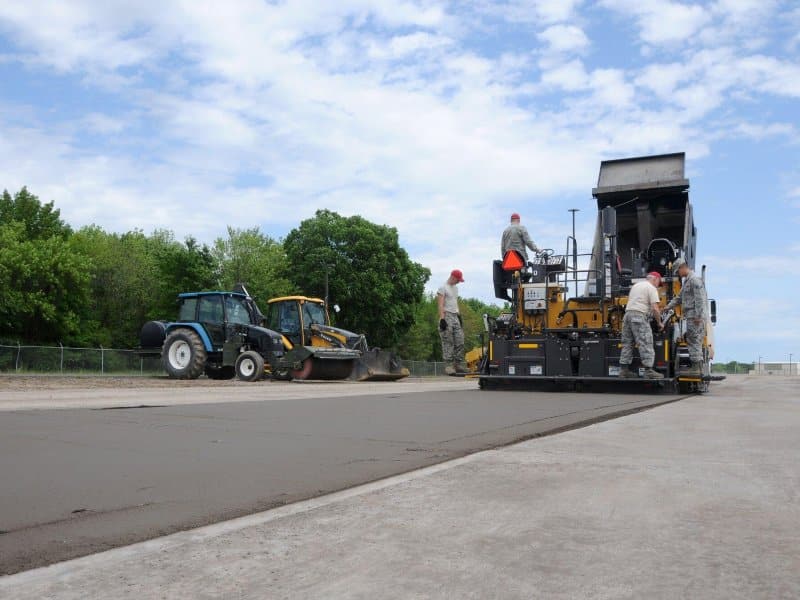
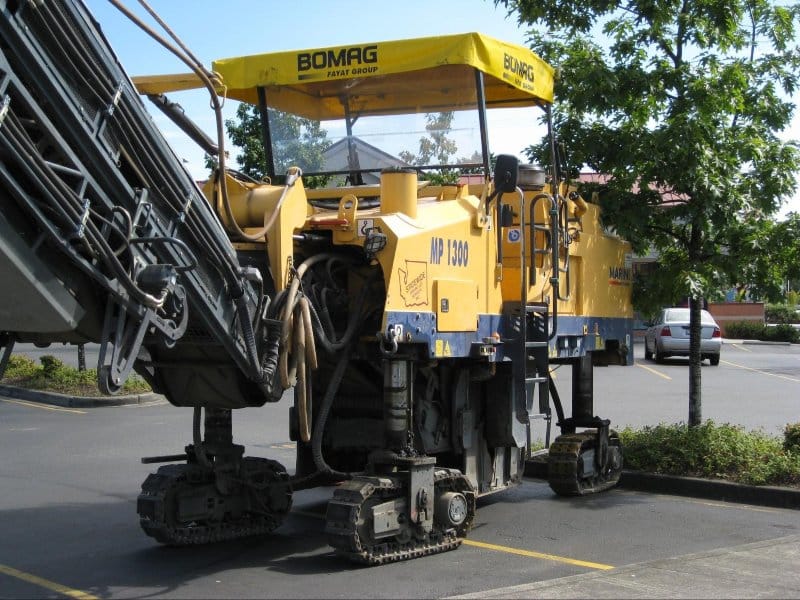
- Instead of hauling the old asphalt to a landfill and bringing in all new material, Local Sod and Landscape mills and recycles the existing asphalt on-site.
- The reclaimed material is reused in the new surface, eliminating significant transportation needs and saving natural resources.
- The result? A smooth, durable pavement surface and a smaller environmental footprint.
Our clients not only enjoy cost savings but peace of mind—knowing their project supports sustainable infrastructure practices that benefit Central Florida’s ecosystems.
Your Partner in Sustainable Growth
At Local Sod and Landscape, we don’t just pave surfaces—we protect landscapes. Asphalt milling and recycling offer a practical, proven way to reduce waste, conserve resources, and cut emissions while delivering high-quality pavement solutions that stand the test of time.