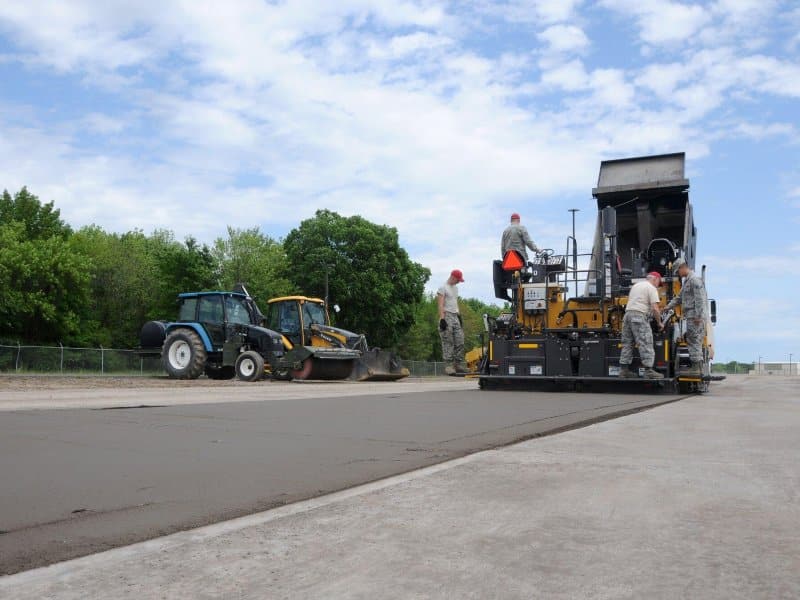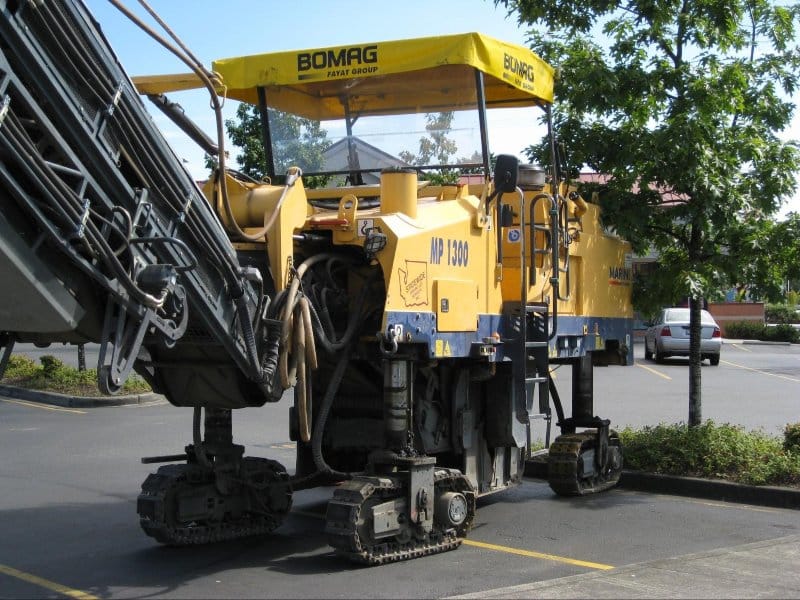




Asphalt milling is a critical process in the maintenance and rehabilitation of roadways, parking lots, and other paved surfaces. This technique involves removing a portion of the asphalt surface, allowing for the restoration of the pavement’s structural integrity without the need for a complete reconstruction. Asphalt milling is cost-effective, environmentally friendly, and time-efficient, making it a popular choice for various projects. In this article, we’ll explore several case studies that highlight the successful implementation of asphalt milling, showcasing the technique’s versatility and benefits.
Case Study 1: Urban Roadway Rehabilitation
Location: Downtown Chicago, IL
Project Scope: Rehabilitation of a 5-mile stretch of heavily trafficked urban roadway
Client: City of Chicago
Challenges:
- High Traffic Volume: The project area was one of the busiest in the city, with a constant flow of vehicles, including public transportation and emergency vehicles.
- Time Constraints: The city imposed strict deadlines to minimize disruption to traffic and local businesses.
- Existing Infrastructure: The roadway contained various underground utilities, requiring precise milling to avoid damage.
Solution: The project team opted for asphalt milling to remove the top 2 inches of the deteriorated surface. A specialized milling machine equipped with advanced GPS technology was used to ensure precise control over the milling depth, protecting the underlying utilities.
The milling process was carried out during nighttime hours to reduce the impact on traffic. A series of strategically placed detours and clear signage helped manage the flow of vehicles, ensuring the safety of both workers and the public. The removed asphalt was transported to a recycling facility, where it was processed for reuse in the new pavement layer.
Outcome:
- Minimal Disruption: The project was completed within the allocated time frame, with minimal impact on traffic and local businesses.
- Cost Savings: The use of recycled asphalt in the new pavement layer resulted in significant cost savings for the city.
- Improved Road Quality: The rehabilitated roadway now boasts a smooth, durable surface capable of handling high traffic volumes.
Case Study 2: Airport Runway Renovation
Location: Hartsfield-Jackson Atlanta International Airport, GA
Project Scope: Renovation of a 2,000-foot section of an active runway
Client: Atlanta Airport Authority
Challenges:
- Safety and Security: Working on an active runway requires strict adherence to safety and security protocols.
- Time Sensitivity: The renovation had to be completed during a short window of time to minimize disruption to airport operations.
- Precision Requirements: The runway surface required a high level of precision to meet Federal Aviation Administration (FAA) standards.
Solution: Asphalt milling was chosen for this project to remove the top 3 inches of the existing runway surface. A high-precision milling machine was used to ensure the surface remained level and within the FAA’s stringent tolerances. To maximize efficiency, the milling was carried out during overnight hours when air traffic was at its lowest.
The project team worked closely with airport officials to coordinate the milling schedule with flight operations, ensuring no disruptions to the airport’s daily activities. The milled asphalt was carefully collected and stored for recycling.
Outcome:
- On-Time Completion: The project was completed within the narrow time window, avoiding any delays to airport operations.
- Compliance with Standards: The new runway surface met all FAA requirements, ensuring the safety and reliability of the airport’s operations.
- Environmental Benefits: The recycled asphalt was reused in the new pavement, contributing to the project’s sustainability goals.
Case Study 3: Residential Neighborhood Street Repair
Location: Suburban Community in Austin, TX
Project Scope: Repair and resurfacing of a 3-mile residential road network
Client: Austin Public Works Department
Challenges:
- Community Impact: The project was located in a residential area, requiring careful planning to minimize noise and disruption to residents.
- Budget Constraints: The public works department had a limited budget, necessitating a cost-effective solution.
- Varying Pavement Conditions: The road network consisted of streets with varying levels of deterioration, requiring a tailored approach.
Solution: Asphalt milling was selected as the primary method for rehabilitating the road network. The project team conducted a thorough assessment of the pavement conditions, determining the appropriate milling depth for each section. In some areas, only the top 1 inch was milled, while in others, up to 4 inches were removed to address deeper cracks and potholes.
To minimize disruption, the milling was scheduled during daytime hours when most residents were at work or school. The project team also communicated regularly with the community, providing updates and addressing concerns about noise and accessibility.
The milled material was transported to a local recycling facility, where it was processed for use in the new asphalt mix.
Outcome:
- Positive Community Feedback: Residents appreciated the minimal disruption and the clear communication throughout the project.
- Budget Adherence: The project was completed within budget, thanks to the cost savings achieved through asphalt recycling.
- Enhanced Safety: The repaired streets provided a smoother and safer driving experience for the neighborhood’s residents.
Case Study 4: Commercial Parking Lot Revitalization
Location: Shopping Center in Phoenix, AZ
Project Scope: Revitalization of a 200,000-square-foot parking lot
Client: Retail Property Management Company
Challenges:
- Customer Access: The shopping center needed to remain open during the project, requiring careful coordination to maintain customer access.
- Varied Surface Conditions: The parking lot had areas of significant wear and tear, as well as sections that were in relatively good condition.
- Aesthetic Considerations: The property management company wanted the parking lot to have a clean, uniform appearance once the project was completed.
Solution: Asphalt milling was chosen to remove the top 1.5 inches of the parking lot surface. The project was divided into sections, with work carried out in phases to ensure that a portion of the parking lot remained open for customers at all times.
A combination of micro-milling and full-depth milling was used to address the varying surface conditions. Micro-milling was employed in areas with minor surface damage, while full-depth milling was used in sections with deeper cracks and potholes.
The milled asphalt was recycled and incorporated into the new surface layer, which was then sealed with a high-quality asphalt sealer to enhance durability and aesthetics.
Outcome:
- Customer Satisfaction: The phased approach allowed the shopping center to remain operational, minimizing the impact on businesses and customers.
- Improved Appearance: The parking lot was revitalized with a smooth, uniform surface that enhanced the overall appearance of the shopping center.
- Long-Term Durability: The combination of milling, resurfacing, and sealing provided a long-lasting solution that will serve the shopping center for years to come.
Conclusion
These case studies illustrate the effectiveness of asphalt milling in a variety of settings, from urban roadways to residential streets and commercial properties. By choosing asphalt milling, project teams can address specific challenges, such as time constraints, budget limitations, and the need for precision, while also reaping the benefits of cost savings, environmental sustainability, and improved safety. Whether for a small residential project or a large-scale commercial endeavor, asphalt milling continues to prove its value as a versatile and reliable solution for pavement rehabilitation.